Accessing blockchain data has long been one of the most time-consuming challenges for developers building decentralized applications. Raw on-chain information is difficult to process, expensive to store, and inefficient to query at scale. The Graph, a decentralized indexing protocol, was created to solve exactly this problem. Often called the Google of blockchains, it provides a fast, reliable way to search, organize, and retrieve blockchain data—making Web3 applications far more efficient.
What Is The Graph and Why It Matters for Web3
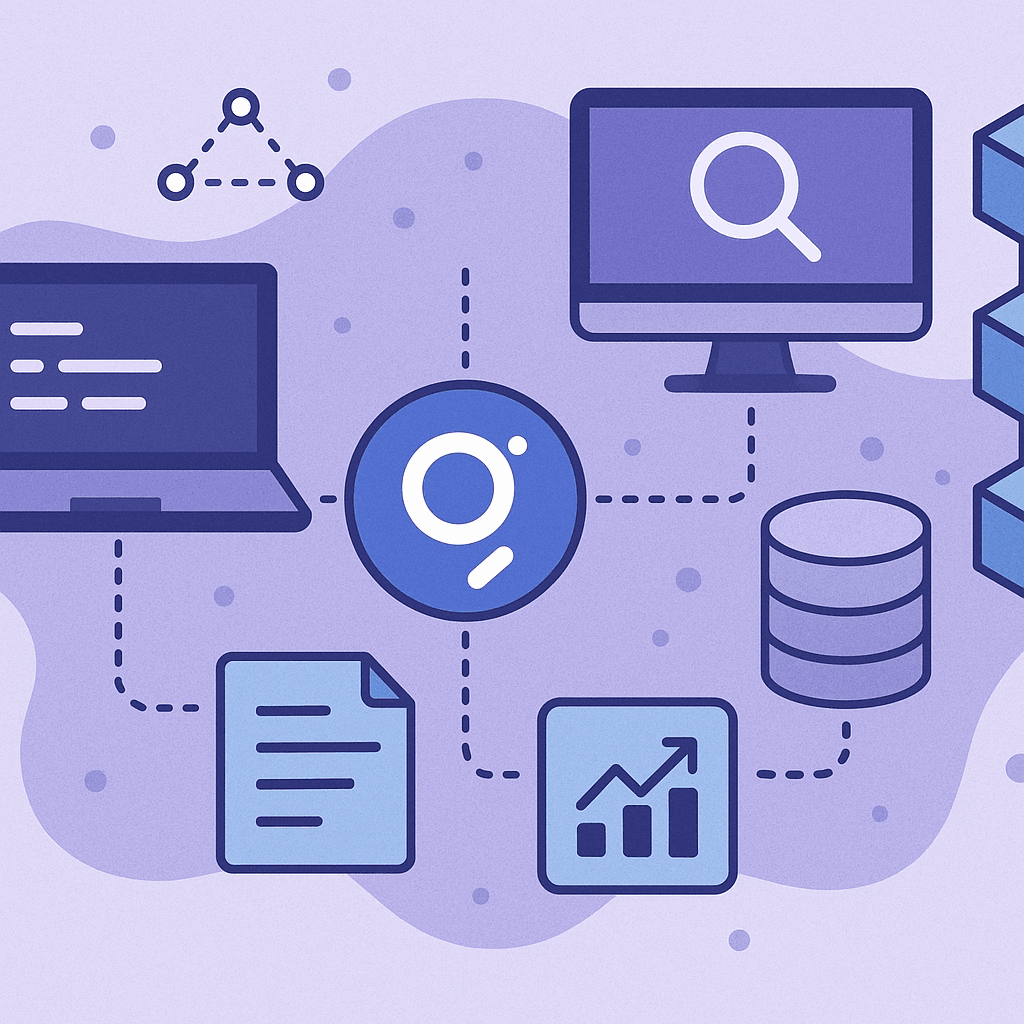
The Graph is a decentralized protocol that indexes data from blockchains such as Ethereum, Polygon, Arbitrum, and Avalanche. Instead of running heavy servers or custom indexers, developers rely on The Graph’s global network of Indexers to process and store key blockchain events.
This infrastructure allows applications—like Uniswap, Aave, Balancer, and many others—to access accurate, real-time data without relying on centralized intermediaries. As a result, developers can build faster, more scalable applications while preserving blockchain transparency.
How Subgraphs Organize Blockchain Data
At the heart of The Graph is the concept of subgraphs, which act as open APIs for blockchain data. A subgraph defines:
- Which smart contracts to track
- Which events should be indexed
- How data should be structured
- How applications can query it using GraphQL
Once deployed, a subgraph continuously monitors the blockchain, processes relevant events, and stores the resulting data in a format that is easy to query. This turns complex on-chain data into clean, structured information available in milliseconds—crucial for dApps focused on trading, analytics, DeFi portfolios, governance, and more.
Querying With GraphQL: Fast, Flexible, Developer-Friendly
The Graph uses GraphQL, a popular query language that lets developers request exactly the data they need and nothing more. This improves both speed and performance.
For example, a DeFi dashboard can instantly fetch:
- Liquidity pool histories
- User transaction activity
- Governance proposals
- Token price or supply data
Without The Graph, retrieving this information would require scanning entire blocks—an extremely slow and expensive process.
Conclusion: A Critical Building Block for Scalable Web3 Apps
The Graph has quickly become a foundational part of the Web3 data infrastructure. By turning raw blockchain activity into structured, queryable data, it enables developers to build faster, more reliable applications without managing their own indexing systems. As blockchain adoption grows and multi-chain development accelerates, The Graph is positioned to remain one of the most important tools powering next-generation decentralized applications.