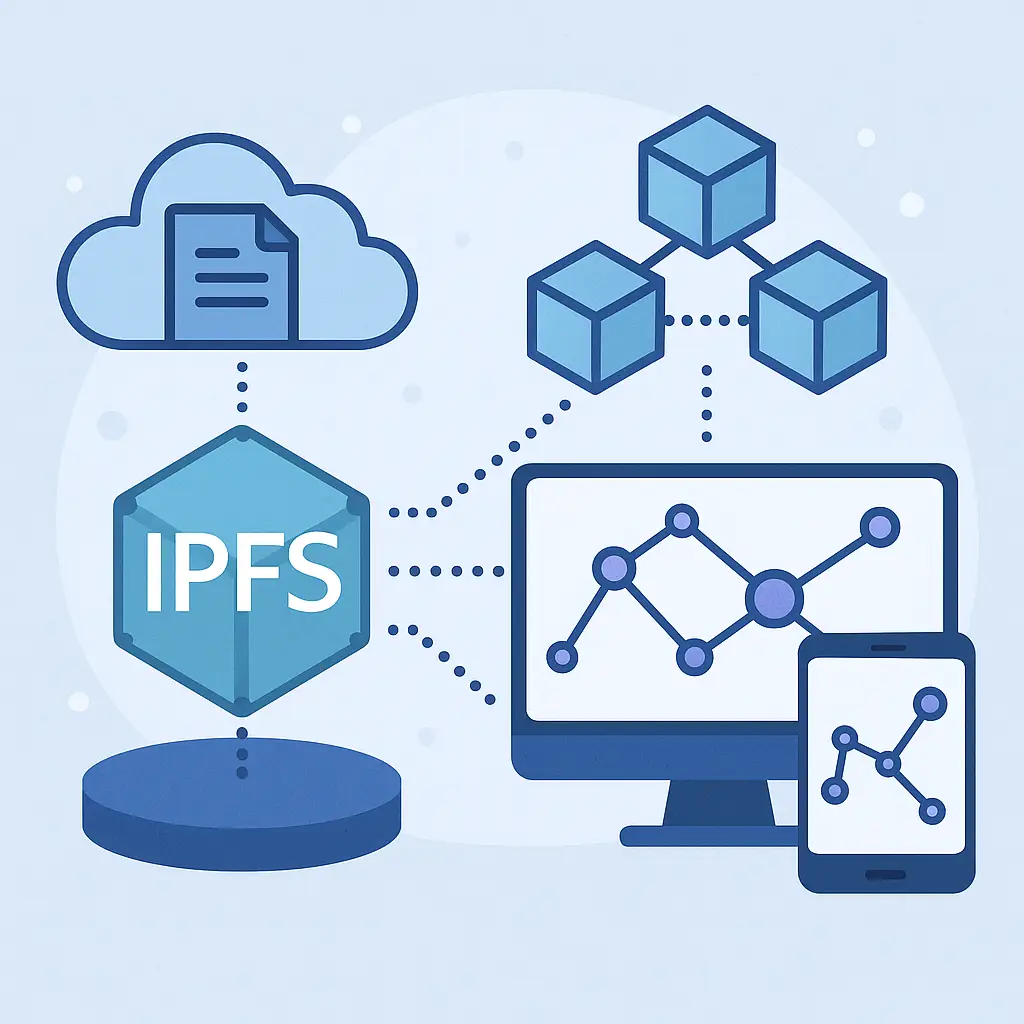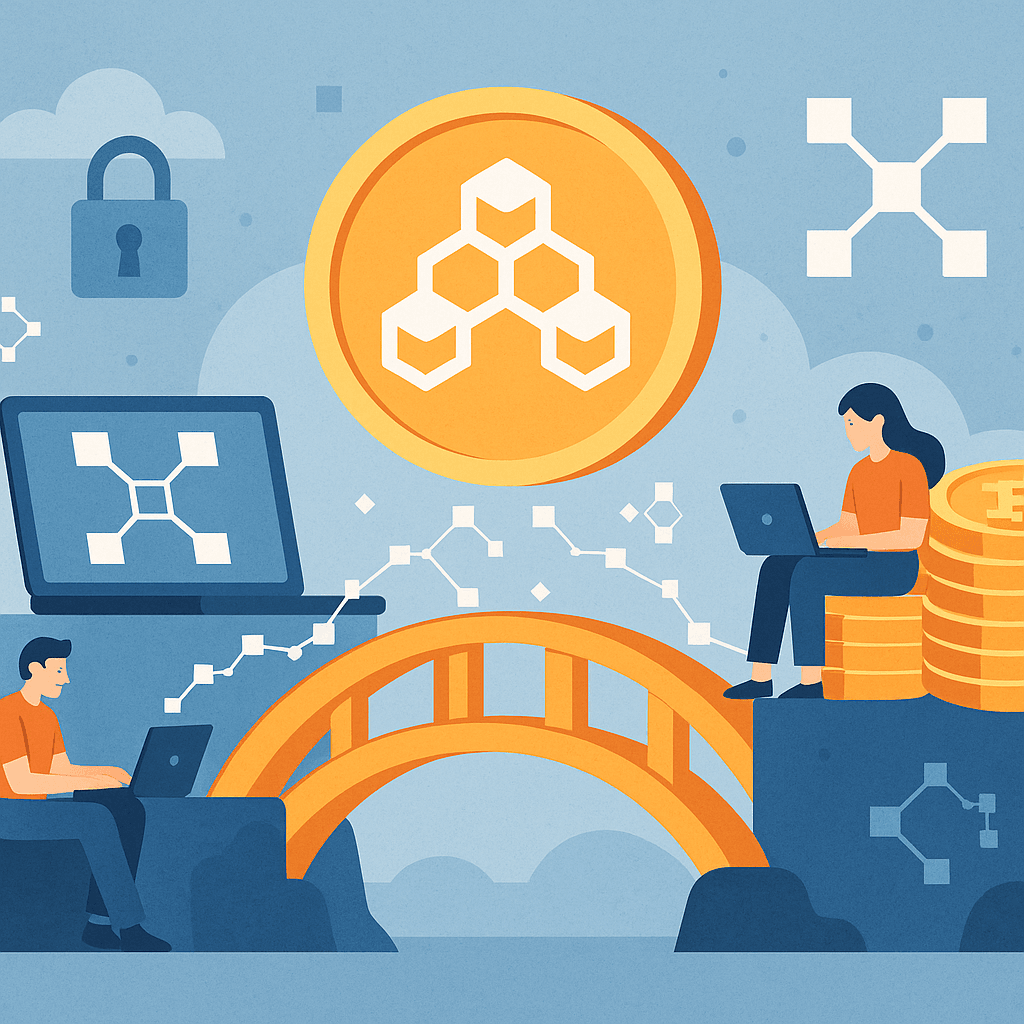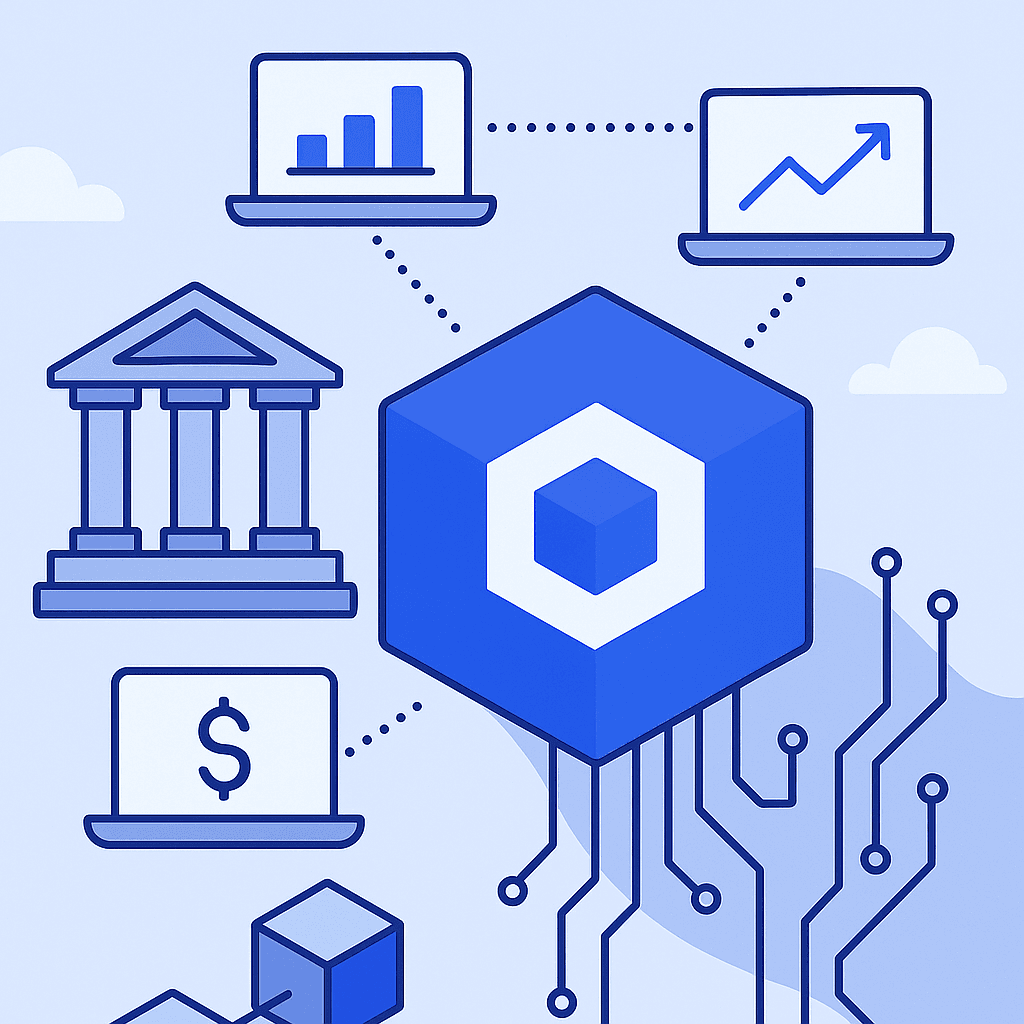
The blockchain ecosystem has a fundamental limitation: smart contracts cannot access real-world data on their own. This “oracle problem” has long been the Achilles’ heel of decentralized applications, preventing them from reaching their full potential. Enter blockchain oracles—the critical infrastructure that bridges the gap between on-chain and off-chain worlds. Chainlink has emerged as the industry-leading decentralized oracle network, powering thousands of smart contracts with reliable, tamper-proof data feeds. For developers building the next generation of decentralized applications, understanding how to leverage Chainlink oracles is no longer optional—it’s essential.
What Are Blockchain Oracles and Why Chainlink Matters
At its core, an oracle is a middleware service that fetches external data and delivers it to smart contracts. Without oracles, blockchain applications would be isolated systems incapable of responding to real-world events. Imagine a decentralized insurance protocol that needs weather data, a DeFi lending platform requiring accurate price feeds, or a prediction market needing election results—none of these applications can function without reliable oracle infrastructure.
The challenge isn’t just about getting data onto the blockchain; it’s about doing so securely and reliably. Centralized oracles create a single point of failure that undermines the entire decentralization ethos. If one entity controls the data feed, they effectively control every smart contract depending on that information. This is where Chainlink’s decentralized oracle network shines.
Chainlink solves the oracle problem through decentralization and cryptographic guarantees. Instead of relying on a single data source, Chainlink aggregates information from multiple independent node operators and data providers. Each oracle node is incentivized to provide accurate data through a reputation system and collateral requirements. This architecture ensures that even if some nodes attempt to manipulate data, the majority consensus maintains integrity. The result is highly reliable data feeds that have secured over $75 billion in total value locked across various DeFi protocols.
Building Smart Contracts with Chainlink: Practical Implementation
For developers, integrating Chainlink into smart contracts is surprisingly straightforward, thanks to well-documented interfaces and comprehensive developer resources. The most common use case involves Chainlink Price Feeds, which provide real-time cryptocurrency and asset prices aggregated from premium data providers.
To use Chainlink Price Feeds, developers simply import the AggregatorV3Interface into their Solidity smart contract and reference the appropriate price feed address for their desired asset pair. The contract can then call the latestRoundData() function to retrieve the most recent price information, including the price value, timestamp, and round ID. This data updates automatically at regular intervals or when price deviations exceed specified thresholds, ensuring applications always have access to current market conditions.
Beyond price feeds, Chainlink offers Verifiable Random Functions (VRF) for generating provably fair random numbers—crucial for gaming, NFT distributions, and any application requiring unbiased randomness. Chainlink VRF uses cryptographic proofs to guarantee that random number generation hasn’t been tampered with, solving a problem that has plagued blockchain-based games and lotteries for years.
For more advanced use cases, Chainlink’s Any API functionality allows developers to connect smart contracts to virtually any external API. Whether you need sports scores, supply chain data, IoT sensor readings, or traditional financial information, Chainlink can securely deliver it on-chain. Additionally, Chainlink Automation enables smart contracts to execute functions automatically based on time intervals or custom conditions, eliminating the need for manual transaction triggers.
Best Practices and the Future of Oracle Integration
When building with Chainlink, developers should follow several best practices to maximize security and reliability. Always validate that data received from oracles meets expected parameters and implement circuit breakers that pause contract functionality if data appears anomalous. Consider using multiple oracle networks for critical applications to add redundancy. Monitor oracle heartbeats and freshness timestamps to ensure data hasn’t become stale.
The oracle landscape continues evolving rapidly. Chainlink’s Cross-Chain Interoperability Protocol (CCIP) is enabling secure token transfers and messaging across different blockchain networks, while Chainlink Functions allows developers to execute custom off-chain computations in serverless environments. These innovations are expanding what’s possible in decentralized application development, from complex financial instruments to sophisticated IoT integrations.
Conclusion
Understanding and implementing blockchain oracles through Chainlink is fundamental to building robust, real-world decentralized applications. As the bridge between smart contracts and external data sources, Chainlink’s decentralized oracle network provides the security, reliability, and flexibility that modern DeFi and Web3 applications demand. Whether you’re developing DeFi protocols, gaming platforms, insurance products, or supply chain solutions, mastering Chainlink integration opens endless possibilities for innovation. The oracle problem that once limited blockchain’s potential has been transformed into an opportunity—and developers who embrace Chainlink’s infrastructure are positioned to lead the next wave of decentralized innovation.